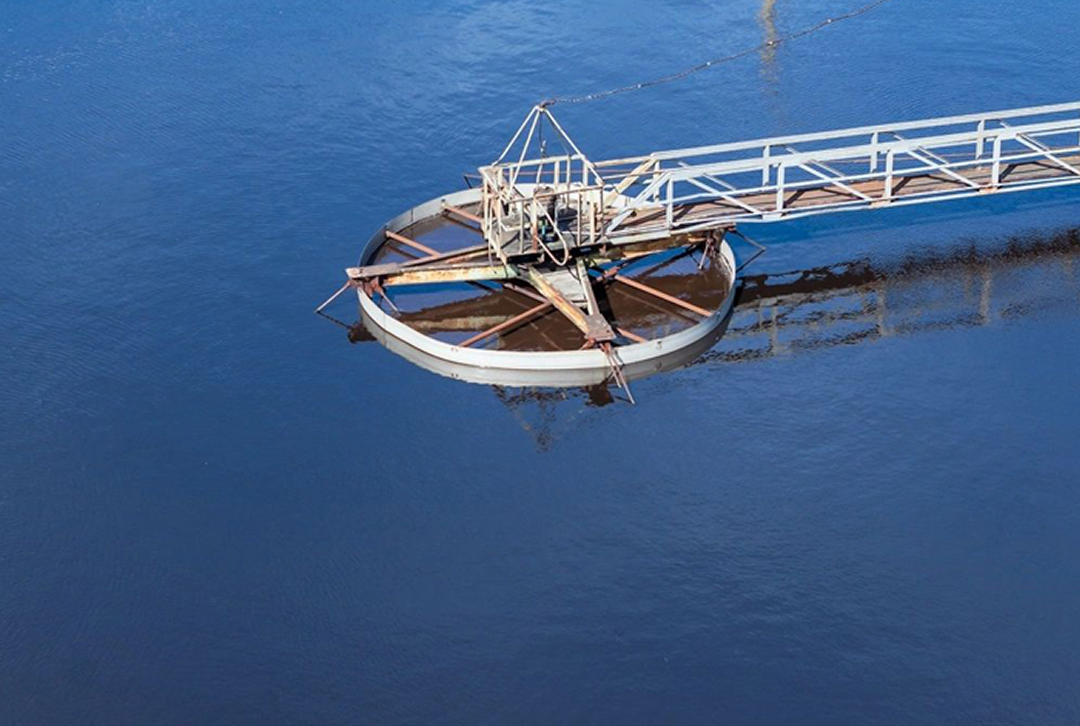
Water treatment plays a crucial role in ensuring the availability of safe and clean water for various purposes. From protecting public health to preserving natural ecosystems, the importance of effective water treatment cannot be overstated. Here are some key reasons highlighting why water treatment is essential in our modern world.
- Public Health Protection:
Water treatment is essential for protecting public health by removing harmful contaminants and pathogens from water sources. Pathogens like bacteria, viruses, and parasites can cause waterborne diseases such as cholera, typhoid, hepatitis, and gastrointestinal infections. Water treatment processes, such as disinfection, filtration, and sedimentation, effectively remove or inactivate these pathogens, making the water safe for consumption. - Disease Prevention:
By treating water, the spread of waterborne diseases can be significantly reduced. Proper water treatment helps prevent outbreaks of diseases that can be transmitted through contaminated water sources. This is especially critical in areas with inadequate sanitation facilities and vulnerable populations, such as children, the elderly, and individuals with weakened immune systems. - Removal of Chemical Contaminants:
Water treatment processes also focus on removing chemical contaminants present in water sources. Industrial activities, agricultural runoff, and improper waste disposal can introduce harmful chemicals into water bodies. Water treatment plants employ techniques such as coagulation, flocculation, activated carbon filtration, and advanced oxidation processes to remove pollutants like heavy metals, pesticides, pharmaceuticals, and organic compounds. This ensures that the water supplied for consumption or other uses meets regulatory standards and is free from potentially toxic substances. - Protection of Ecosystems:
Untreated wastewater discharged into natural water bodies can have detrimental effects on aquatic ecosystems. The release of excess nutrients, such as nitrogen and phosphorus, from untreated sewage can lead to eutrophication, causing algal blooms, oxygen depletion, and the decline of aquatic life. Water treatment processes, including nutrient removal, help mitigate these ecological impacts and maintain the balance of aquatic ecosystems. - Sustainable Water Management:
Water treatment is an essential component of sustainable water management. It enables the efficient and responsible use of water resources by treating and reusing wastewater. By implementing appropriate treatment processes, treated wastewater can be safely discharged into the environment or reused for non-potable applications such as irrigation, industrial processes, and groundwater recharge. This reduces the strain on freshwater sources and promotes water conservation. - Safe and Reliable Water Supply:
Water treatment ensures a consistent and reliable supply of clean water. By treating water from various sources, including rivers, lakes, groundwater, and recycled wastewater, treatment plants can provide a reliable supply of safe water that meets quality standards. This is particularly important in areas with limited water resources or facing challenges such as droughts, contamination incidents, or natural disasters.
Summary
Water treatment is vital for ensuring safe, clean water for both human use and environmental health. It protects public health by removing harmful contaminants and pathogens that cause waterborne diseases. It also eliminates chemical pollutants introduced by industrial activity and agricultural runoff. Treated water helps maintain healthy ecosystems by preventing issues like eutrophication, and enables sustainable water management through reuse and recycling. Overall, water treatment ensures a reliable supply of quality water for drinking, irrigation, and industrial use, supporting the well-being of communities and the environment.