
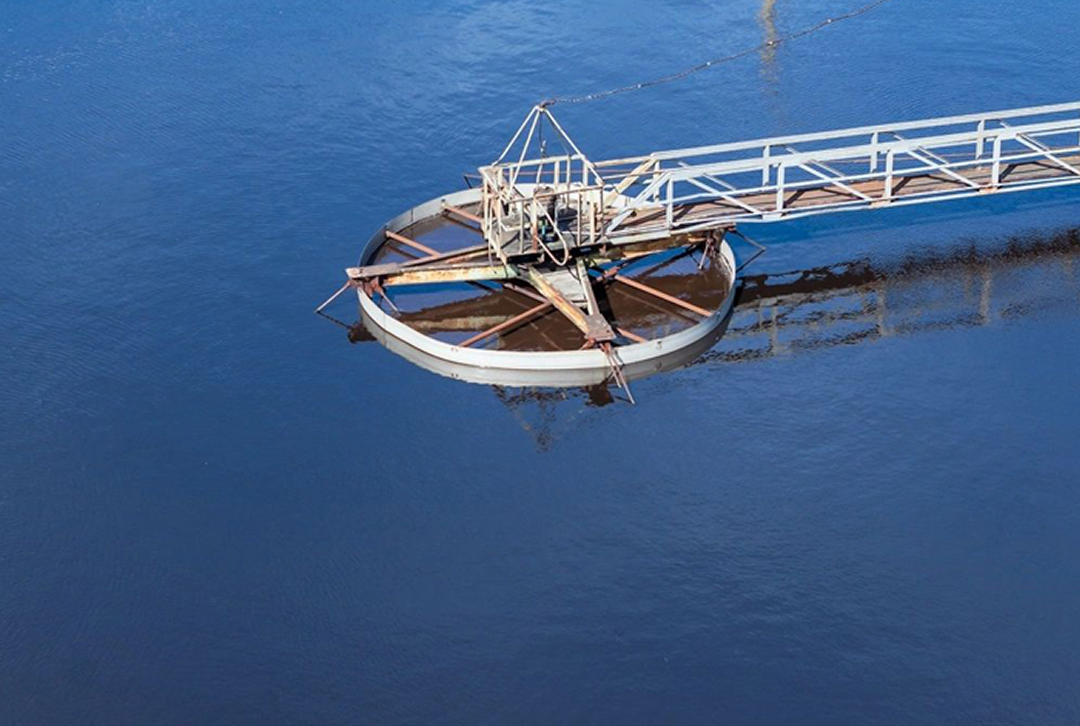
Water is one of India—s most valuable yet most threatened resources. Every day, our cities, industries, and communities generate millions of liters of wastewater. Without treatment, this wastewater pollutes rivers, contaminates groundwater, and creates serious public health risks. But with the right solutions, this —waste— water can be transformed into a reusable, sustainable resource.
This is where Sewage Treatment Plants (STPs) step in. From large housing townships to IT parks, hospitals, hotels, and industrial units, STPs are becoming essential infrastructure for sustainable urban living. At Shubham Aqua Vitro Pvt. Ltd., we are proud to be at the forefront of this mission. With 800+ successful installations across India, we don—t just provide STP equipment, but deliver smart, reliable, and future-ready water management solutions that save costs, conserve water, and safeguard the environment.
Why India Needs Sewage Treatment Plants More Than Ever
India is urbanizing at an unprecedented pace. By 2030, more than 40% of India—s population will live in cities. This rapid growth brings two major challenges:
- Water Scarcity — Cities like Bengaluru, Chennai, and Delhi already face severe water shortages. In some regions, groundwater levels have dropped by more than 60% in just two decades.
- Wastewater Pollution — According to the Central Pollution Control Board (CPCB), India generates over 72,000 million liters of sewage every day, but only a fraction is treated. The rest flows untreated into lakes, rivers, and drains, polluting ecosystems and threatening communities.
The government has responded with strict norms and ambitious programs like the AMRUT Mission, Smart Cities Mission, and Jal Jeevan Mission. Every township, commercial building, and institution is now expected to install and operate its own sewage treatment plant. For developers, industries, and communities, an STP is no longer optional — it—s mandatory for compliance, sustainability, and cost savings.
What is a Sewage Treatment Plant (STP)?
In simple terms, an STP is a facility that cleans wastewater. It takes in sewage from homes, offices, hotels, or industries and removes contaminants using physical, biological, and chemical processes.
Treated Water Can Be Reused For:
- Gardening and landscape irrigation
- Toilet flushing
- Vehicle and floor washing
- Cooling towers in commercial buildings & industries
- Construction and dust suppression
Every liter recycled reduces dependence on fresh water which means lower bills, higher sustainability, and a greener footprint.
Types of Sewage Treatment Plants in India
At Shubham, we offer solutions for every type of project:
- Above-Ground STPs
- Built in open areas with space availability.
- Ideal for housing societies, industries, and institutions.
- Long-lasting and highly customizable.
- Underground STPs
- Installed below ground, saving surface space.
- Perfect for urban projects with limited land.
- Noise-free and aesthetically invisible.
- Modular Prefabricated STPs (Plug & Play)
- Factory-built, ready-to-install units.
- Easy to transport, quick to set up, and scalable.
- Best for industries, hospitals, residential colonies, and temporary projects.
STP Technologies: MBBR, SBR, and MBR Compared
Every project is different — the choice of technology matters:
MBBR (Moving Bed Biofilm Reactor)
- Uses biofilm carriers for biological treatment.
- Pros: Robust, low maintenance, handles variable loads.
- Best for: Medium-scale residential, hotels, institutions.
SBR (Sequential Batch Reactor)
- Treats wastewater in batches with controlled aeration.
- Pros: Compact, highly efficient, flexible operation.
- Best for: Housing societies, hospitals, commercial complexes.
MBR (Membrane Bioreactor)
- Combines biological treatment with membrane filtration.
- Pros: Produces crystal-clear water, requires less space, suitable for high reuse applications.
- Best for: Smart cities, IT parks, luxury hotels, premium townships.
Comparison: MBBR vs SBR vs MBR
| Feature | MBBR | SBR | MBR |
|---|---|---|---|
| Footprint | Medium | Compact | Very Compact |
| Water Quality | Good | Very Good | Excellent (reuse-ready) |
| Cost | Moderate | Moderate | Higher (but best ROI) |
| Best Use | Townships, Hotels | Societies, Hospitals | Smart Cities, IT Parks |
Hidden Costs of Ignoring Wastewater Treatment
Many developers and institutions hesitate to invest in an STP, considering it an —extra expense.— But what is often ignored are the hidden costs of non-treatment:
- Heavy fines and penalties from pollution control boards.
- Reputational damage and legal risks.
- Rising costs of tanker water purchases as groundwater runs dry.
- Long-term health and environmental damage around the project.
Investing in an STP is not just compliance — it—s insurance against future costs and crises.
Choosing the Right STP for Your Project
When selecting an STP, consider:
- Daily Wastewater Volume (decides plant capacity).
- Space Availability (above ground, underground, or modular).
- End-use of treated water (reuse applications may require advanced treatment).
- Compliance Requirements (CPCB, SPCB, IGBC, LEED, GRIHA).
- Budget & ROI (long-term savings on water bills vs. upfront cost).
- Automation Needs (manual vs. IoT-enabled smart plants).
Why Projects Trust Shubham Aqua Vitro Pvt. Ltd.
Here—s why 800+ projects trust us with their water:
- Proven expertise with installations across India in housing, healthcare, commercial, hospitality, and industrial sectors.
- Custom engineering tailored to exact water quality, load, and layout.
- Green compliance fully aligned with CPCB/SPCB norms, IGBC, GRIHA, and LEED certification.
- After-sales support including AMC, O&M, and remote monitoring.
- Smart technologies such as IoT-enabled plants with proactive maintenance alerts.
On-Ground Results
A residential township in Ahmedabad faced daily freshwater shortages and rising water bills. After installing a 250 KLD SBR-based STP by Shubham, the community reduced its freshwater dependency by over 60%. Today, they reuse treated water for flushing, gardening, and car washing — saving substantial costs while meeting green compliance.
STPs and Green Building Certifications
STPs contribute significantly to IGBC, GRIHA, and LEED sustainability ratings by:
- Scoring valuable points through recycled water use.
- Reducing freshwater demand and overall environmental footprint.
- Aligning energy-efficient STP technologies with green benchmarks.
Simply put, no modern green building project is complete without a well-designed STP.
How We Ensure Your STP Project—s Success
- Comprehensive onsite surveys & load assessments.
- Custom design & technology selection.
- In-house fabrication for quality assurance.
- Seamless integration with civil structures.
- Rigorous testing & commissioning.
- Staff training for smooth operation.
- Long-term AMC, O&M, & IoT-enabled remote support.
With Shubham, you don—t just get an STP — you get a long-term water management partner. A well-planned sewage water treatment project not only saves resources but also safeguards the environment and society.
Why AMC & O&M Contracts Matter?
Many projects make the mistake of treating an STP as a —one-time setup.— In reality, the success of any STP lies in consistent operations and maintenance (O&M).
That—s why Shubham offers:
- Comprehensive and Non-Comprehensive AMCs.
- Dedicated expert operators.
- IoT-enabled performance monitoring.
- Proactive service and support.
With this support, your STP continues to perform efficiently for decades, without interruptions or compliance risks.
The Future of Smart STPs in India
The next wave of water management is smart automation. At Shubham, we are pioneering:
- IoT-enabled STPs that send real-time performance alerts.
- AI-driven predictive maintenance to prevent breakdowns.
- Energy-optimized aeration systems that cut power consumption.
Future-ready STPs are not just treatment plants — they are intelligent systems that think, learn, and adapt to your needs.
Common Myths About STPs — Busted!
To understand STPs better, let—s uncover and bust some of the most common myths surrounding them.
—STPs always smell bad.—
A common misconception is that sewage treatment plants inevitably spread foul odor. In reality, modern sewage water treatment projects are engineered with advanced odor control systems such as biofilters, activated carbon, and closed reactors. These ensure that the treated facilities remain almost unnoticeable, keeping both residents and surroundings comfortable.
—They consume too much electricity.—
Another myth is that sewage treatment plants are heavy on energy use. Today—s plants are designed with automation, variable frequency drives (VFDs), and smart energy management systems. This allows them to operate efficiently, keeping power consumption optimized. In fact, the electricity used is minimal when compared to the long-term water savings and sustainability benefits.
—STPs are only for big projects.—
Many assume that only large housing societies, industries, or townships can afford sewage water treatment projects. However, modular and compact STP designs now make it possible for even small residential complexes, commercial buildings, or institutions to adopt sustainable wastewater management. This flexibility ensures that every scale of development can contribute to water conservation and environmental protection.
—They—re too expensive to maintain—.
The belief that sewage treatment plants demand excessive maintenance costs is far from true. While there is an investment in operation and maintenance (O&M), the overall benefits are significant. By reducing reliance on costly tanker water, ensuring compliance with environmental norms, and avoiding penalties, an STP ultimately proves to be a cost-saving solution. In fact, most projects find that the returns on efficiency far outweigh the expenses, leading to a positive sewage treatment conclusion.
STPs & India—s Sustainable Future
India—s journey to becoming a water-secure nation depends heavily on how well we manage wastewater. Sewage Treatment Plants are central to this mission:
- Helping cities meet net-zero and water-positive goals.
- Supporting green buildings and sustainable real estate.
- Enabling industries and institutions to recycle and reuse water responsibly.
- Powering smart cities with IoT-driven water infrastructure.
Every drop saved today is an investment in tomorrow.