There are several types of water treatment plants, each designed to address specific water quality issues and cater to different applications. From municipal sewage to high-end industrial purification, understanding the different types of plants is essential for effective water management. Here are some common types of water treatment plants and their applications.
1. Drinking Water Treatment Plants
Drinking water treatment plants focus on providing safe and potable water for human consumption. They typically employ multiple treatment processes, including:
- Coagulation and Flocculation: Chemicals are added to the water to neutralize charges and form larger particles called flocs, which can be easily removed.
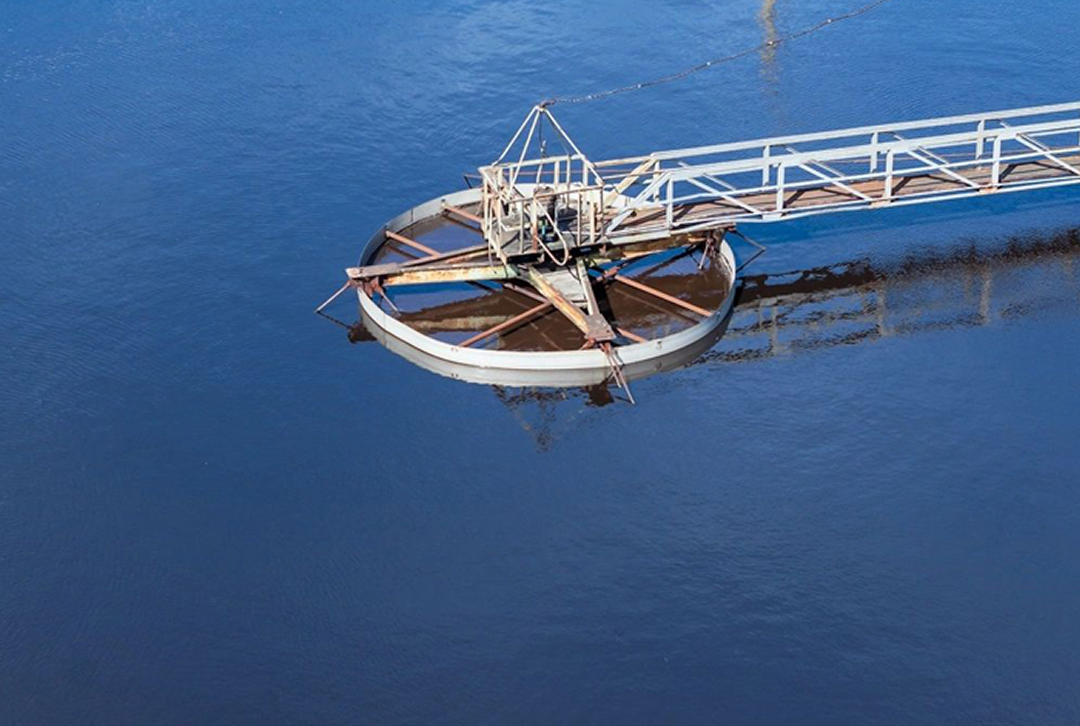
- Sedimentation: Flocs settle to the bottom of tanks through gravity, allowing for the removal of suspended solids.
- Filtration: Water passes through various filters (such as sand, gravel, or activated carbon) to remove remaining particles, microorganisms, and dissolved impurities.
- Disinfection: Chemical disinfectants (like chlorine or UV radiation) are used to kill or inactivate harmful microorganisms, ensuring the water is safe for consumption.
2. Municipal Wastewater Treatment Plants
Municipal wastewater treatment plants, also known as sewage treatment plants (STPs), focus on treating wastewater generated from residential, commercial, and industrial sources. The treatment processes typically include:
- Preliminary Treatment: Removal of large objects, debris, and grit through screening and sedimentation.
- Primary Treatment: Separation of suspended solids and organic matter through sedimentation and skimming.
- Secondary Treatment: Biological degradation of organic matter using microorganisms in an aerobic (activated sludge) or anaerobic (anaerobic digestion) environment.
- Tertiary Treatment: Additional advanced processes, such as filtration, disinfection, and nutrient removal, to further enhance the quality of the treated wastewater.
3. Industrial Water Treatment Plants
Industrial water treatment plants cater to the specific water quality requirements of industrial processes. They address issues like water hardness, dissolved minerals, chemical contaminants, and microbial control. Treatment methods can vary depending on the industry and specific application, but may include:
- Reverse Osmosis (RO): Removal of dissolved salts, minerals, and other impurities by forcing water through a semi-permeable membrane under pressure.
- Ion Exchange: Removal of ions (such as calcium, magnesium, or heavy metals) using ion exchange resins that swap undesirable ions with preferable ones.
- Chemical Treatment: Addition of chemicals to adjust pH, remove contaminants, or facilitate coagulation and flocculation.
- Biological Treatment: Use of microorganisms or biological processes to degrade organic compounds or remove specific contaminants.
4. Desalination Plants
Desalination plants are designed to convert seawater or brackish water into fresh water by removing dissolved salts and minerals. The two primary desalination processes are:
- Reverse Osmosis (RO): Water is forced through a semi-permeable membrane under high pressure, leaving salts and impurities behind.
- Thermal Desalination: Evaporation of water using heat energy, followed by condensation and collection of the purified vapor.
Desalination plants are especially crucial in arid regions or areas with limited freshwater resources.
5. Point-of-Use (POU) Water Treatment
Point-of-Use water treatment systems are installed at individual homes or buildings to provide safe drinking water on a smaller scale. They include various technologies such as:
- Activated carbon filters
- UV disinfection units
- Ceramic filters
These systems can effectively remove contaminants, improve taste, and enhance water quality at the point of consumption.
Summary
Each type of plant employs specific treatment processes and technologies tailored to the water source and intended application, with the ultimate goal of ensuring the provision of clean, safe, and sustainable water resources for various uses. Whether it's for municipal supply, industrial manufacturing, or personal use, choosing the right treatment strategy is the key to water quality excellence.