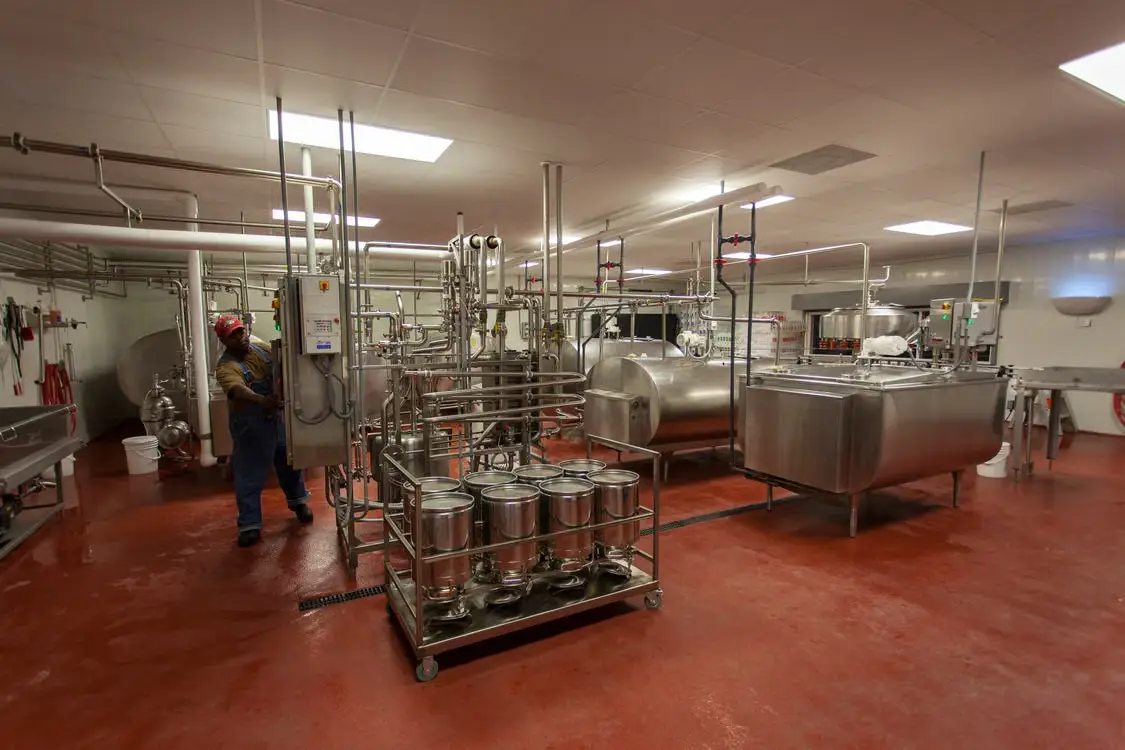
For years, Zero Liquid Discharge (ZLD) was largely associated with molasses-based distilleries and select textile bleaching clusters. That picture is changing rapidly. State Pollution Control Boards (SPCBs) in water-stressed regions across India are increasingly writing ZLD — or near-ZLD mandatory recycling — conditions into Consent to Operate (CTO) renewals for dairy, brewery, and commercial food-processing units.
If you manage operations at a dairy, brewery, or large beverage complex, the strategic question is no longer merely “Can my current ETP meet the old BOD/COD discharge numbers?” Instead, it has become: “Will our next CTO require full, closed-loop water recovery?”
Driven by milk proteins, lactose sugars, and elevated fat, oil & grease (FOG).
High organic load carrying active yeast, wort remnants, and spent grains.
Achievable recycle rate through integrated DAF, biological, UF & RO trains.
Why the Regulatory Pressure Is Rising
Four major drivers are reshaping environmental enforcement across the food and beverage sector:
Typical Effluent Challenges in Food & Beverage
Raw wastewater streams from dairy and beverage manufacturing vary significantly in composition, posing distinct biological and mechanical hurdles:
| Industry Stream | Key Wastewater Characteristics | Engineering Treatment Implications |
|---|---|---|
| Dairy Processing | Elevated FOG (Fat, Oil & Grease), milk proteins (casein), lactose, and wide pH swings (pH 4.0 to 11.5) from daily CIP sanitisation cycles. | DAF Required Dissolved Air Flotation for FOG removal, large equalisation tank with automated pH neutralisation, robust biological stage. |
| Brewery & Malting | High soluble BOD (1,000–4,000 mg/L), yeast biomass, spent grain solids, low nutrients (nitrogen/phosphorus imbalance), temperature spikes. | High Organic Solids Fine screening, equalization, high-rate anaerobic or MBBR biological digestion, sludge dewatering. |
| Combined Food Processing | Variable COD, seasonal production peaks (e.g., ice cream, festive dairy surges, seasonal bottling), intermittent flow rates. | Modular Flexibility Multi-stage anoxic/oxic bioreactors with flexible aeration control and downstream membrane polishing. |
Meeting inland-surface-water or land-application standards — such as BOD ≤ 30 mg/L (or ≤ 100 mg/L on land), COD ≤ 250 mg/L, and FOG ≤ 10 mg/L — is only the regulatory baseline. Zero Liquid Discharge (ZLD) goes substantially further: virtually zero liquid effluent is released beyond the factory boundary.
Economic Reality: In water-stressed industrial clusters where industrial water tankers cost &rupee;80 to &rupee;150 per kilolitre, recovering 90%–95% of treated water pays for operational costs while guaranteeing uninterrupted production during municipal water cuts.
What a Practical ZLD Pathway Looks Like
A true ZLD installation is never a single monolithic machine. It is a carefully sequenced multi-barrier treatment train designed to protect each successive technology step:
The core building blocks for dairy and brewery wastewater treatment include:
- Primary Pre-Treatment: Coarse and fine mechanical bar screens trap grain and packaging solids. A high-efficiency Dissolved Air Flotation (DAF) unit removes free fats, oils, and grease before they reach biological aeration tanks.
- Biological Oxidation: High-rate anaerobic digestion (UASB or IC reactors) can be utilized for high-BOD brewery streams to generate biogas, followed by aerobic biological polishing using MBBR (Moving Bed Biofilm Reactor) or SBR (Sequential Batch Reactor).
- Tertiary Membrane Polishing: Clarified water passes through Multigrade Media Filtration and Ultrafiltration (UF) membranes to strip all residual colloidal matter, suspended solids, and bacteria, achieving an SDI < 3.
- Reverse Osmosis (RO) Recovery: Multi-stage brackish water RO Plants concentrate dissolved salts, yielding clean permeate water (90%–95% recovery) with TDS < 50 ppm.
- Concentrate Management & Evaporation: The remaining high-TDS RO reject is sent to a Multi-Effect Evaporator (MEE) or Mechanical Vapour Recompression (MVR) system, followed by an Agitated Thin Film Dryer (ATFD) to produce dry solid salt for authorized disposal.
Critical Design & Compliance Points That Matter
Engineers and plant heads evaluating plant upgrades must consider these critical technical design principles:
Essential Engineering Guidelines
How Shubham India Supports Food & Beverage Clients
With over two decades of experience across India, Shubham Aqua Vitro designs, engineers, manufactures, and commissions turnkey industrial effluent treatment and water recovery infrastructure:
- High-FOG Dairy ETP Packages: Fully automated Dissolved Air Flotation (DAF), MBBR biological treatment, and secondary membrane polishing.
- Brewery Wastewater Systems: High-efficiency screening, anaerobic digestion with biogas utilization, and solids dewatering decanters.
- Turnkey ZLD Systems: High-recovery RO membranes integrated with energy-efficient Multi-Effect Evaporators (MEE) and ATFD dryers.
- Containerised & Rental Systems: Rapidly deployable RO Plants on Rent for temporary capacity expansions or emergency CTO compliance.
- Full Operation & Maintenance (O&M): Specialized AquaCare 360 preventive maintenance, chemical optimization, and regulatory compliance logging.
Regulatory & Technical Note
Effluent parameters and Consent to Operate conditions vary based on plant location, receiving water body classification, and state board directives. Consult our process engineering specialists for site-specific wastewater characterization and compliance design.