On 16 November 2026, the Ministry of Health and Family Welfare (MoHFW) formally released the National Guidelines on Wastewater Surveillance for Pathogens of Public Health Importance. Developed jointly with the National Centre for Disease Control (NCDC) and the Alliance for Pathogen Surveillance Innovations (APSI)–India (led by CSIR-CCMB), these guidelines institutionalize wastewater-based epidemiology as India’s primary national early-warning system.
The central objective of the new guidelines is transformative: to identify the circulation and genetic surge of priority bacterial and viral pathogens in municipal sewage 1 to 2 weeks before they erupt into clinical hospital cases.
For an expansive nation that records millions of waterborne disease episodes each year — particularly during monsoon flash-flooding and seasonal water-table inversions — this marks a historic paradigm shift: transitioning public-health strategy from reactive outbreak containment to proactive, anticipatory environmental defense.
Detects pathogen shedding in sewer networks days before patients present to hospital clinics.
Mandatory reporting turnaround for designated labs uploading data to the Integrated Disease Surveillance Programme.
Annual operational performance benchmark mandated for state surveillance laboratories.
Transforms sewage treatment plants from simple treatment utilities into public-health sensors.
Why Wastewater-Based Epidemiology (WBE) Matters Now
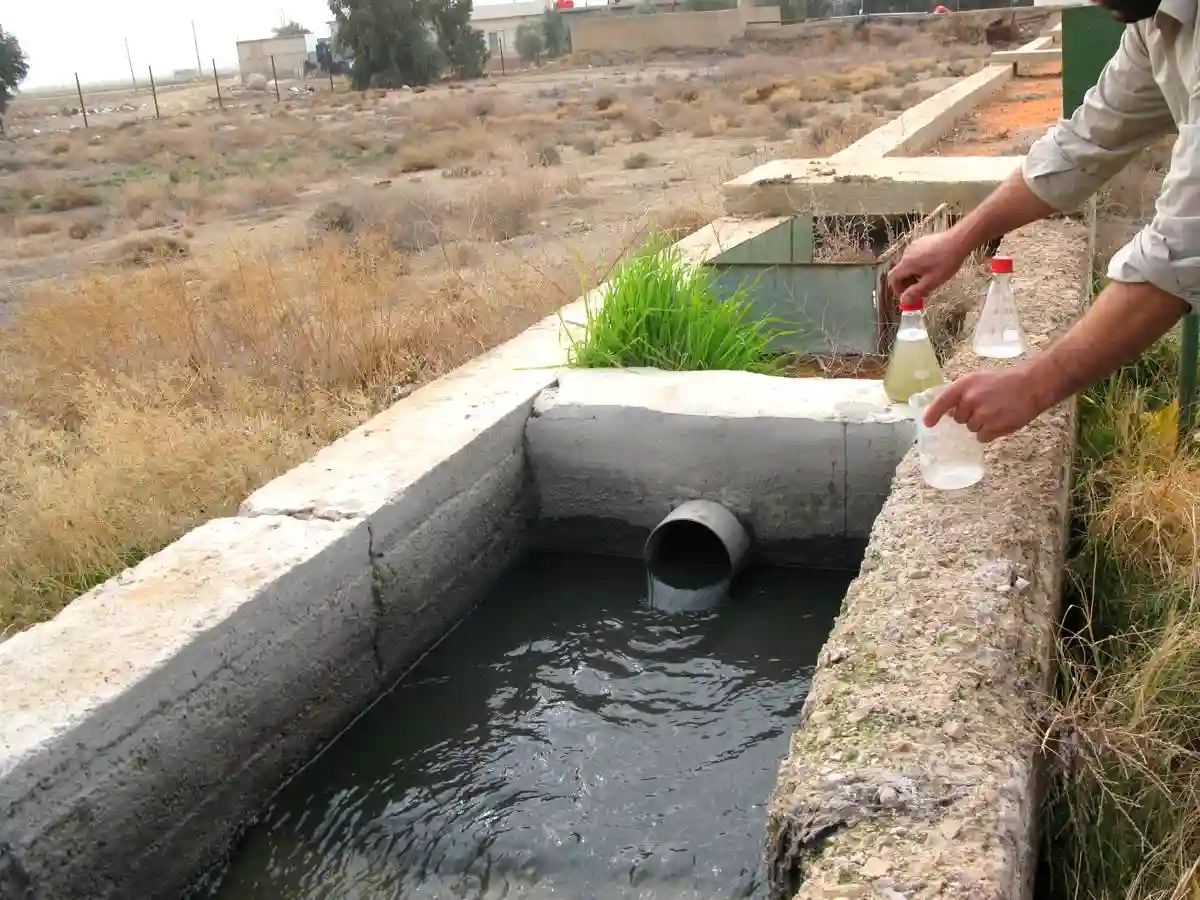
India possesses a storied history with environmental surveillance. For over two decades, sewage sampling has formed the foundational backbone of India’s successful polio eradication strategy. During the COVID-19 pandemic, metropolitan centers like Hyderabad, Bengaluru, Mumbai, and Delhi proved that tracking SARS-CoV-2 viral loads in sewage treatment plant (STP) inlets provided an unbiased, real-time mirror of community transmission trends.
The new national guidelines systematically expand this proven framework to target endemic waterborne, foodborne, and respiratory pathogens that repeatedly stress India’s healthcare infrastructure during monsoon and post-monsoon months.
The Core Advantages of Wastewater-Based Epidemiology:
• Captures Asymptomatic & Mild Cases: Clinical surveillance only captures patients sick enough to visit a hospital and wealthy enough to afford lab diagnostics. Sewage captures fecal and urinary shedding from 100% of the connected population.
• Zero Individual Burden: Does not rely on patient compliance, clinical suspicion, or blood draws.
• Utilizes Existing Infrastructure: Municipal STPs, pumping sumps, and open trunk drains already collect aggregated biological samples continuously across urban wards.
• Actionable 48-Hour Feedback: Results linked to the Integrated Health Information Platform (IHIP) allow city health officers to issue localized boil-water notices or deploy chlorination teams before an epidemic crests.
When sewage systems and municipal treatment skids are operated consistently and sampled methodically, they cease being mere waste conduits — they become high-fidelity municipal diagnostic sensors.
Priority Pathogens Covered Under the New Guidelines
The MoHFW and NCDC framework delineates priority viral and bacterial agents responsible for the highest disease burden recorded across IDSP district dashboards:
| Pathogen Category | Specific Priority Targets | Transmission Route & Impact | Sampling Aggregation Site | Public-Health Trigger Action |
|---|---|---|---|---|
| Enteric Bacteria | Vibrio cholerae, Salmonella Typhi, Salmonella Paratyphi | Fecal-oral, contaminated municipal tap water, acute dehydration, typhoid fever | STP Influent, high-density ward trunk drains | Immediate Pipeline Audit & Super-Chlorination |
| Enteric & Hepatic Viruses | Hepatitis A, Hepatitis E, Rotavirus, Enterovirus | Contaminated water, acute viral hepatitis, pediatric gastroenteritis | District STPs, slum outfall drains | Boil-Water Advisories & Targeted Vaccination |
| Respiratory & Viral Threats | Influenza, RSV, Adenovirus, Monkeypox (Mpox) | Aerosol, fomites, respiratory shedding, zoonotic spillover | Airport terminal effluent, hospital sewer sumps | Clinical Ward Alert & Antiviral Stocking |
| Antimicrobial Resistance (AMR) | Multi-drug resistant Klebsiella, E. coli, Beta-lactamase (NDM-1, ESBL) genes | Horizontal gene transfer in sewers, antibiotic failure | Hospital ETP discharge, pharmaceutical zone CETPs | Effluent ZLD Audits & Disinfection Enforcement |
How the National Surveillance System Works
The MoHFW framework establishes a multi-tiered, closed-loop operational workflow linking municipal engineering teams, diagnostic laboratories, and district epidemiologists:
The system relies on five synchronized operational pillars:
- Standardized Sampling Sites: Focuses on municipal sewage treatment plant (STP) raw influent channels, major open storm drains carrying untreated greywater, and specialized institutional discharge sumps (tertiary hospitals, international transit hubs).
- Routine Sampling Cadence: Weekly to fortnightly grab or 24-hour flow-weighted composite sampling during baseline periods, scaling to bi-weekly testing during monsoon flood seasons.
- Harmonized Molecular Protocols: Rapid viral concentration using PEG precipitation or ultrafiltration discs, followed by multiplex digital RT-qPCR and targeted next-generation metagenomic sequencing (NGS) to profile microbial genomes.
- Digital IHIP/IDSP Integration: Laboratories are strictly mandated to upload verified genomic and pathogen concentration data to the Integrated Health Information Platform within 48 hours of run completion (targeting ≥80% year-round adherence).
- Pre-Emptive Public Health Interventions: When pathogen genomic copy numbers cross defined threshold baselines, local administration initiates pipeline pressure tests, cross-contamination checks, targeted chlorine boosting, and preventative drug distribution.
Strategic Implications for Cities, Hospitals, and Industry
The release of these guidelines places wastewater management at the center of national security and public health. This triggers direct operational implications across multiple sectors:
Cross-Sector Operational Impacts:
- Urban Local Bodies (ULBs) & Water Boards: STPs can no longer be operated as forgotten black boxes. Municipalities must ensure treatment plants run continuously, maintain calibrated flow meters, and provide safe, standardized influent sampling ports for health inspectors.
- Hospitals & Healthcare Networks: Hospital sewage carries concentrated pathogen loads, multi-drug resistant superbugs, and clinical disinfectants. Tertiary institutions must audit their in-house Effluent Treatment Plants (ETP), maintain validated chlorination/UV barriers, and prepare for statutory sampling under local health orders.
- Pharmaceutical & Life Sciences Manufacturing: Bulk drug and formulation plants discharging into common effluent systems will face heightened surveillance for active pharmaceutical ingredients (APIs) and antimicrobial resistance genes (ARGs). Adopting closed-loop Zero Liquid Discharge (ZLD) represents the safest compliance pathway.
What This Means for Water Treatment Practice
Wastewater surveillance data is only as good as the underlying water and sanitation infrastructure. Reliable epidemiological intelligence requires high-integrity wastewater treatment engineering:
- Process Consistency: STPs suffering from frequent biological shock, aeration failure, or sludge washouts distort sampling metrics, rendering data uninterpretable for epidemiologists.
- Safe Sampling Engineering: Retrofitting treatment facilities with dedicated sampling taps, automated composite samplers, and safe operator access catwalks ensures worker safety during virulent pathogen collection.
- Advanced Sludge Dewatering & Biosolids Inactivation: Settled primary and secondary sludge harbors concentrated viral and bacterial pathogens. Upgrading sludge handling through high-temperature digestion or thermal drying prevents secondary environmental contamination.
- Tertiary Polishing & Complete Disinfection: Treated effluent reused for urban horticulture or returned to rivers must undergo robust tertiary filtration and validated ozonation, chlorination, or UV disinfection to eliminate live pathogens.
Checklist for Facility Managers & Water Engineers
As state health departments and municipal corporations begin enforcing sampling partnerships, plant supervisors and facility engineers should review this 5-point readiness checklist:
Facility Wastewater Surveillance & Compliance Readiness
How Shubham India Supports Municipal and Industrial Readiness
At Shubham Aqua Vitro Pvt. Ltd. (Shubham India), we engineer, build, and operate advanced wastewater infrastructure designed to meet India’s most demanding environmental and public-health standards:
- Turnkey Sewage Treatment Plants (STP): High-efficiency MBBR – Bio Accelerator 360™ and MBR – Bio Memclean™ systems delivering consistent BOD/COD/pathogen reduction.
- Hospital & Healthcare Effluent Plants: Specialized ETP skids engineered with multi-stage oxidation, neutralizing recalcitrant pharmaceuticals and hospital-acquired pathogens.
- Zero Liquid Discharge (ZLD) Systems: Integrated membrane and thermal crystallization trains eliminating liquid environmental discharge for pharma and chemical units.
- Professional Operation & Maintenance (O&M): Certified engineering teams ensuring round-the-clock biological health, calibrated flow metering, and audit-ready plant compliance.
Discover our comprehensive engineering capabilities: Civil & Modular Sewage Treatment Plants and explore our Comprehensive Plant Operation & Maintenance Services.
Conclusion: Looking Ahead
The release of the National Guidelines on Wastewater Surveillance marks a milestone in India’s public-health evolution. By treating sewage as a valuable source of real-time epidemiological intelligence rather than merely a waste stream to be discarded, India is building a resilient, predictive shield against future pandemics and waterborne epidemics.
The ultimate success of this initiative rests upon the physical water and wastewater infrastructure operating across our cities, industrial hubs, and hospitals. Ensuring our treatment plants operate with engineering rigor not only protects our natural river basins — it provides our public health leaders with the crucial early warnings needed to save lives.
Regulatory Frameworks & Scientific Sources
This publication is developed for public-health engineers, municipal officials, and industrial EHS directors for informational and educational purposes. Content reflects the National Guidelines on Wastewater Surveillance for Pathogens of Public Health Importance released on 16 November 2026 by the Ministry of Health and Family Welfare (MoHFW), technical materials published by the National Centre for Disease Control (NCDC), research communications from the Alliance for Pathogen Surveillance Innovations (APSI)–India (CSIR-CCMB), and data integration standards under the Integrated Disease Surveillance Programme (IDSP).
Photo by: Wikimedia Commons
Related Technical Solutions & Case Studies:
• Municipal & Civil Sewage Treatment Plants (STP)
• Industrial & Hospital Effluent Treatment Plants (ETP)
• Zero Liquid Discharge (ZLD) Systems
• Industrial Reverse Osmosis Systems
• Operation & Maintenance (O&M) Services