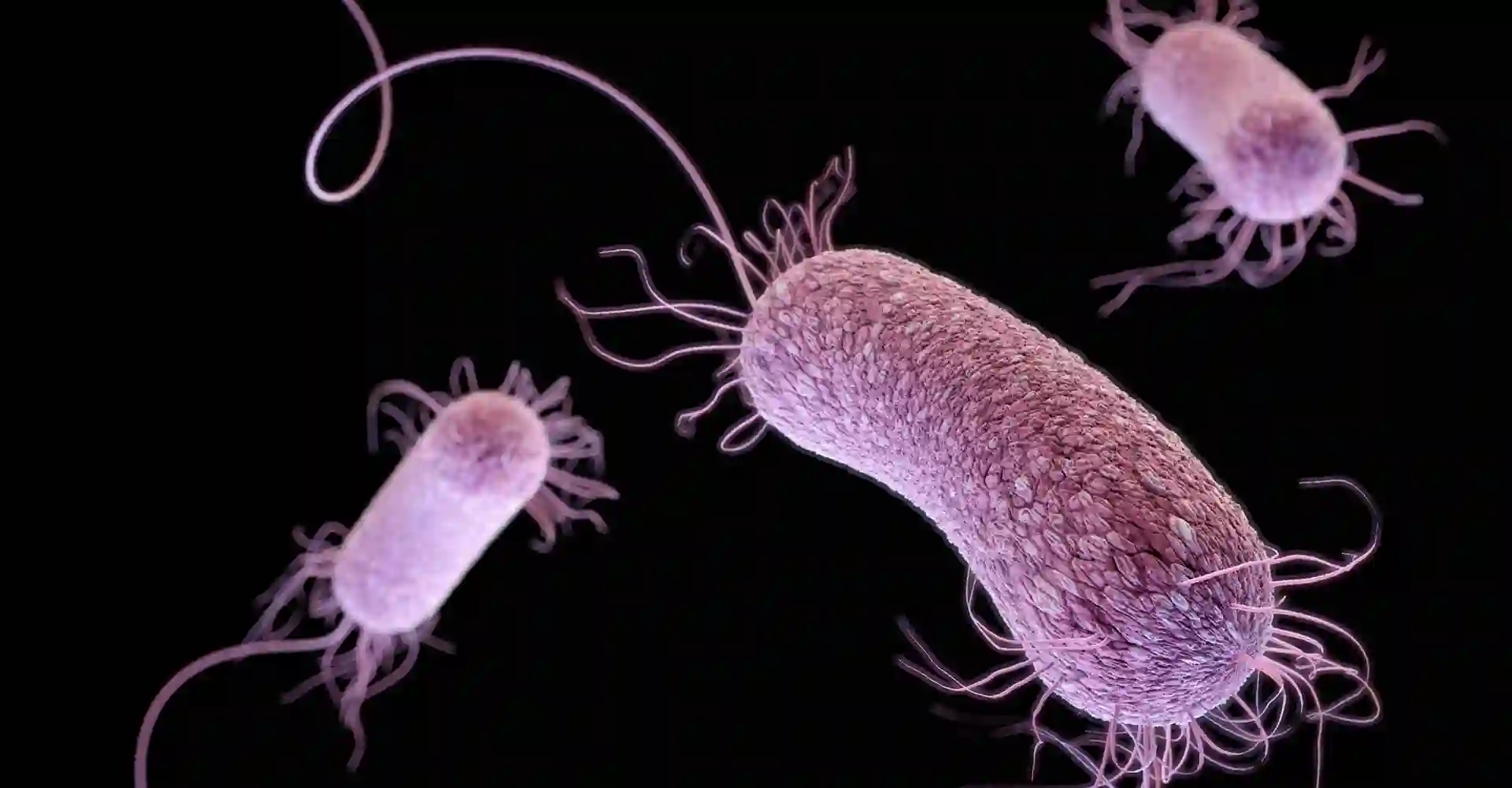
Antimicrobial resistance (AMR) is no longer confined to clinical hospital wards. It is flowing through India’s sewers — and pharmaceutical manufacturing effluent and hospital discharges are major environmental accelerators.
India is universally acknowledged as the “pharmacy of the world,” manufacturing a massive share of the planet’s generic pharmaceuticals and life-saving antibiotics. Yet simultaneously, India bears one of the highest clinical burdens of multi-drug resistant bacterial infections globally. A decisive body of scientific surveillance now confirms that these two realities are directly connected through wastewater streams.
Recent landmark research — including a comprehensive metagenomic survey spearheaded by scientists at the CSIR-Centre for Cellular and Molecular Biology (CCMB) and published in Nature Communications — has mapped antimicrobial resistance genes (ARGs) across municipal and industrial drainage systems in Delhi, Mumbai, Kolkata, and Chennai. The scientific consensus is stark: wastewater acts as a fertile environmental breeding ground and genetic exchange hub for resistance genes, many of which reside on mobile genetic elements capable of jumping between harmless soil bacteria and virulent human pathogens.
For pharmaceutical manufacturers, Active Pharmaceutical Ingredient (API) plants, bulk drug developers, formulation units, and multi-speciality tertiary hospitals, this is no longer a distant theoretical concern. It has become an imminent regulatory, operational, and public-health reckoning — and Zero Liquid Discharge (ZLD) is proving to be the only engineering solution capable of severing the transmission link.
Analyzed across 19 major drainage and wastewater sites in four Indian mega-metros.
Microbial genomes identified as potentially uncatalogued environmental resistance reservoirs.
Tetracycline and β-lactam resistance genes showed dense linkages to mobile plasmids and transposons.
Eliminates surface discharge, preventing antibiotic residues from reaching river basins and aquifers.
The Scale of the Problem: What the Science Shows
Between March 2022 and March 2024, an interdisciplinary consortium of researchers conducted shotgun metagenomic sequencing on 447 wastewater samples spanning 19 strategic drainage locations in Delhi, Mumbai, Kolkata, and Chennai. The empirical findings published in Nature Communications uncovered several critical biological realities:
- Geographic Microbial Variations vs. Uniform Resistance: While bacterial profiles differed by region (for example, significantly higher prevalence of Klebsiella pneumoniae in Chennai and Mumbai, and higher concentrations of Pseudomonas aeruginosa in Kolkata), the underlying spectrum of antimicrobial resistance genes remained remarkably uniform across urban India.
- Mobile Genetic Elements (MGEs) as Accelerators: Resistance genes directed against critically important antibiotic classes — notably tetracyclines, cephalosporins, and beta-lactams — showed elevated physical association with mobile genetic elements like plasmids, integrons, and transposons. This genetic mobility enables horizontal gene transfer (HGT), allowing benign aquatic microbes to donate resistance mechanisms directly to high-risk human pathogens.
- Uncharacterized Environmental Reservoirs: Between 53% and 70% of the reconstructed microbial genomes recovered from wastewater were novel, highlighting a vast, unmonitored microbial dark matter acting as an ecological sponge for drug resistance.
- Direct Clinical Parallels: Genomic comparative studies confirmed that urban wastewater and hospital sewers share near-identical drug-resistant pathogen strains with nosocomial isolates recorded in hospital-acquired bacteremia and intensive care units.
The Vicious Feedback Loop of Environmental AMR:
Sub-therapeutic antibiotic residues & resistant bacteria discharge from factories & healthcare wards → Enter domestic sewers, rivers & groundwater → Horizontal gene transfer amplifies multi-drug resistance → First-line clinical therapies fail in patients → Doctors prescribe potent, reserve antibiotics → Even more complex antibiotic metabolites enter raw effluent.
Conventional industrial and municipal effluent treatment systems (such as standard biological activated sludge plants) were engineered in the 20th century primarily to reduce biological oxygen demand (BOD), chemical oxygen demand (COD), and total suspended solids (TSS). They were never designed to remove bioactive pharmaceutical molecules, destroy naked DNA plasmids, or neutralize sub-inhibitory antibiotic selection pressure.
Comparison: Conventional ETP vs. Advanced ZLD Systems
To understand why standard effluent treatment cannot halt the proliferation of superbugs, industrial facility managers must compare how conventional treatment trains perform against engineered Zero Liquid Discharge architectures:
| Parameter / Pollutant | Conventional Primary & Secondary ETP | Advanced Zero Liquid Discharge (ZLD) |
|---|---|---|
| BOD & COD Reduction | Effective (85–95%) | Near 100% (High-Purity Condensate) |
| Active Pharmaceutical Ingredients (APIs) | Poor (Trace Pass-Through) | Complete Destruction / Solidified |
| Antimicrobial Resistance Genes (ARGs) | Uncontrolled Gene Transfer | Physical Rejection & Inactivation |
| Total Dissolved Solids (TDS) | Zero Removal (Discharged into Basin) | 98%+ Separated to Solid Salt Cakes |
| Environmental Discharge | Treated Effluent Released to Drain | Absolute Zero Liquid Discharge |
| Regulatory CTO Alignment | Vulnerable to Tightening Norms | Future-Proof CPCB & SPCB Compliance |
Regulatory Reality: CPCB, SPCBs and the Push Toward Mandatory ZLD
The Central Pollution Control Board (CPCB) alongside key State Pollution Control Boards (including Gujarat Pollution Control Board – GPCB, Maharashtra Pollution Control Board – MPCB, and Tamil Nadu Pollution Control Board – TNPCB) have systematically tightened regulatory frameworks governing pharmaceutical manufacturing clusters.
While national ZLD regulations were historically targeted at water-intensive, heavily polluting sectors like molasses distilleries and textile dyeing, environmental regulators now actively mandate or strongly enforce ZLD under the following scenarios:
- Bulk Drug & Active Pharmaceutical Ingredient (API) Plants: Where production synthesis generates concentrated, toxic, and biologically refractory wastewater streams.
- Critically Polluted Industrial Areas (CEPI Clusters): Facilities operating within high-density chemical estates (such as Ankleshwar, Vapi, Vatva, Tarapur, and Ranipet) where surface water discharge has been banned or capped.
- Consent to Operate (CTO) Renewals & Capacity Expansions: SPCBs increasingly mandate ZLD as an explicit pre-condition before sanctioning plant expansions or production enhancements.
- Downstream Trace API Detection: Heightened scrutiny from the National Green Tribunal (NGT) and online continuous effluent monitoring systems (CEMS) monitoring antibiotic residues downstream of industrial zones.
Critical CPCB Regulatory Clarification on “True ZLD”:
CPCB statutory directives have explicitly clarified that for pharmaceutical and bulk drug manufacturing units, utilizing treated effluent for on-site gardening, horticulture, or greenbelt development does NOT qualify as Zero Liquid Discharge. True ZLD mandates that treated water must be recycled back into industrial processing, cooling tower makeup, or boiler feedwater circuits, ensuring zero liquid drops touch the ground or public stormwater drains.
Units failing to comply with stringent CTO parameters face escalating legal risks, including stringent closure notices under Section 33A of the Water (Prevention and Control of Pollution) Act, steep Environmental Compensation penalties levied by the NGT, and severe supply-chain reputational damage among global pharmaceutical buyers.
Why Conventional ETPs Fall Short Against AMR
A standard industrial ETP — relying on equalisation, coagulant dosing, secondary biological aeration, and sand-carbon filtration — can routinely bring BOD and COD below generic discharge standards (e.g., BOD < 30 mg/L). However, it falls drastically short when dealing with antimicrobial selection pressure:
Four Fundamental Vulnerabilities of Conventional Plants:
- Sub-Inhibitory Antibiotic Incubation: Conventional aeration basins contain trace concentrations of diverse antibiotics. These sub-lethal doses do not kill bacteria; instead, they stress them, triggering SOS mutation responses and accelerating the expression of defensive efflux pumps.
- Dense Microbial Biomass as a Breeding Hub: Activated sludge tanks bring together trillions of environmental bacteria, patient pathogens, and antibiotic residues in a high-density, aerated slurry — the textbook optimal environment for plasmid conjugation and gene sharing.
- Inability to Break Down Persistent APIs: Complex fluoroquinolones, macrolides, and sulfamethoxazole molecules possess rigid chemical structures that survive standard bacterial digestion, passing directly through tertiary sand filters into river basins.
- Hospital Discharge Compounding: Healthcare facilities often dump untreated wastewater into municipal sewers. When hospital sewage (laden with multi-drug resistant hospital-acquired pathogens) mingles with industrial drainage, genetic exchange reaches peak velocity.
Zero Liquid Discharge: The Engineered Solution
Eliminating environmental superbug proliferation requires an engineered barrier that closes the loop entirely. A state-of-the-art Zero Liquid Discharge (ZLD) plant engineered by Shubham Aqua Vitro deploys a multi-barrier physicochemical and thermal train:
1. Robust Pre-Treatment & Volatile Stripping
High-strength pharmaceutical streams are segregated at the source. Concentrated mother liquors and solvent-laden streams pass through automated steam strippers to extract ammoniacal nitrogen, volatile organic compounds (VOCs), and residual solvents. Equalisation basins with automated pH dosing buffer the hydraulic surges and neutralize chemical shocks.
2. High-Rate Biological Organics Degradation
Treated pre-effluent enters advanced high-rate biological reactors, such as Shubham’s Bio Accelerator 360™ (MBBR) or submerged Bio Memclean™ (MBR). High surface area virgin carriers support specialized acclimatized bacterial cultures capable of breaking down stubborn organic matrices without generating excessive secondary biological sludge.
3. Advanced Tertiary Separation & High-Pressure RO
Effluent from the membrane bioreactor is crystal clear and free of suspended solids down to 0.04 microns. It is subsequently polished via Advanced Oxidation Processes (AOP — deploying ozone, UV-C, or Fenton chemistry) to cleave the recalcitrant aromatic rings of residual active pharmaceutical molecules. The stream is then pressurized through multi-stage high-recovery Reverse Osmosis (RO) plants, concentrating dissolved salts while recovering 75% to 85% of the volume as ultra-pure permeate for boiler feed.
4. Thermal Brine Evaporation (MEE / MVR)
The concentrated RO reject — containing high TDS and trapped persistent compounds — cannot be discharged. It is routed to Multiple Effect Evaporators (MEE) or energy-efficient Mechanical Vapour Recompression (MVR) falling-film evaporators. The thermal energy vaporizes water, converting the brine into high-density slurry while producing high-quality condensate water.
5. Crystallization & ATFD Solidification
In the terminal stage, the concentrated slurry is fed into an Agitated Thin Film Dryer (ATFD) or forced-circulation crystallizer. Moisture is entirely driven off, transforming hazardous liquid effluent into dry, bagged solid salt cakes suitable for authorized disposal at Hazardous Waste Treatment, Storage, and Disposal Facilities (TSDF). Not a single drop of antibiotic-tainted liquid enters the natural environment.
Action Plan for Pharma & Hospital Leadership
With environmental regulatory scrutiny intensifying across India, CXOs, operations directors, and environmental health & safety (EHS) heads should execute five immediate operational measures:
Immediate 5-Point Strategic AMR Compliance Checklist
How Shubham India Delivers Compliance-Ready Solutions
At Shubham Aqua Vitro Pvt. Ltd. (Shubham India), we engineer and commission turnkey industrial water and wastewater treatment infrastructure customized for the demanding chemical profiles of pharmaceutical manufacturers and large tertiary hospitals:
- Customized Industrial Effluent Treatment Plants (ETP): High-performance physicochemical equalization, DAF, chemical dosing, and stripping columns.
- Turnkey Zero Liquid Discharge (ZLD) Systems: Seamlessly integrated trains combining MBR, multi-stage high-pressure RO skids, Multiple Effect Evaporators (MEE), and ATFD units.
- High-Recovery Membrane Technologies: Advanced fouling-resistant RO membranes engineered specifically for high-COD, high-TDS pharmaceutical matrices.
- Continuous CEMS & SCADA Automation: Fully automated PLC/SCADA control systems ensuring real-time compliance with state pollution monitoring portals.
Our engineering methodology emphasizes long-term operational stability, minimized lifecycle operating expenditure (OPEX), and maximized water recovery — helping your facility exceed CPCB standards while protecting community health.
Explore our end-to-end industrial ZLD solutions: Zero Liquid Discharge Systems by Shubham India.
Conclusion
The peer-reviewed scientific evidence is unequivocal: urban and industrial wastewater in India functions as an active catalyst for antimicrobial resistance, and pharmaceutical and healthcare effluents play an outsized role. As regulatory standards tighten and public health awareness sharpens, the clinical and environmental consequences of unchecked wastewater discharge can no longer be overlooked.
Zero Liquid Discharge is no longer an optional “green” marketing badge. For pharmaceutical developers and healthcare leaders, it represents the indispensable engineering benchmark for responsible, future-ready enterprise operations. Facilities that proactively invest in robust, closed-loop water treatment will not only insulate themselves against regulatory sanctions, but also play a decisive role in neutralizing one of humanity’s greatest public-health challenges.
Scientific Disclaimers & Regulatory References
This technical publication is compiled for institutional and educational informational purposes, referencing peer-reviewed scientific research — including the CSIR-CCMB urban wastewater shotgun metagenomic surveillance published in Nature Communications — alongside technical guidance documents and CTO parameters issued by the Central Pollution Control Board (CPCB). It does not constitute formal legal or regulatory advice. Industrial plant operators must verify specific discharge standards with their local State Pollution Control Board.
Related Technical Guides & Solutions:
• Zero Liquid Discharge (ZLD) Systems
• Effluent Treatment Plants (ETP)
• Industrial Reverse Osmosis (RO) Plants
• Pharma & Life Sciences Water Solutions